Last reviewed: 11 November 2026
Kinshasa is a large, energetic capital. A smooth visit depends on thoughtful planning: where you stay, how you move between appointments, how you respond to changing local conditions, and who knows your itinerary.
This guide offers practical preparation for business and private visitors. It is not a guarantee of safety. Government travel advice differs by nationality and can change at short notice, so check your own government’s latest guidance before departure.
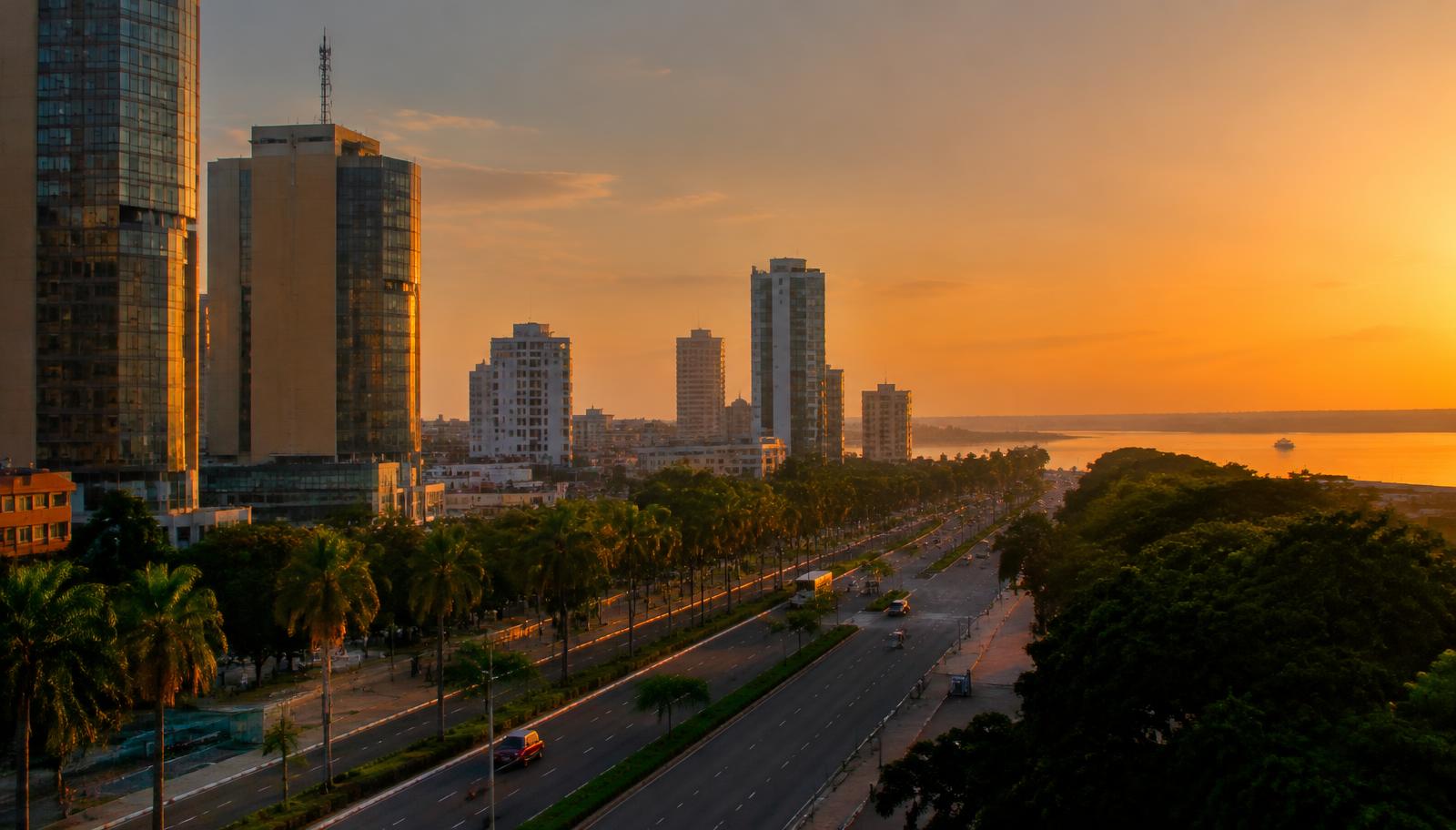
Check the current advice and your itinerary
Before confirming travel, review your government’s Democratic Republic of the Congo advisory, your travel insurer’s terms and the latest local information. Advisories can apply to specific districts or routes rather than an entire city.
As of 10 November 2026, the UK Foreign, Commonwealth & Development Office advises against all but essential travel to defined areas in Kinshasa, including parts of N’djili and Kimbanseke south of the main access road to N’djili Airport. Its boundaries and advice may change; consult the live UK travel advisory and map and your own government’s advice before travelling.
The same advisory describes robbery risks in urban areas and warns that demonstrations can occur with little notice and may become violent. Do not treat a familiar route or previous visit as proof that conditions are unchanged.
Arrange your arrival before you fly
- Confirm your accommodation and airport transfer before departure.
- Use a pre-arranged driver whose name, vehicle and meeting point are confirmed in advance by your hotel, host or travel provider.
- Keep the transfer contact available offline, and agree what to do if your flight is delayed or the driver cannot be located.
- Avoid accepting unverified rides or hailing taxis in the street. The UK security guidance recommends transport organised by a hotel or tour operator, or a privately booked taxi.
- Keep your passport and essential documents secure and available for lawful checks. Store copies separately from the originals.
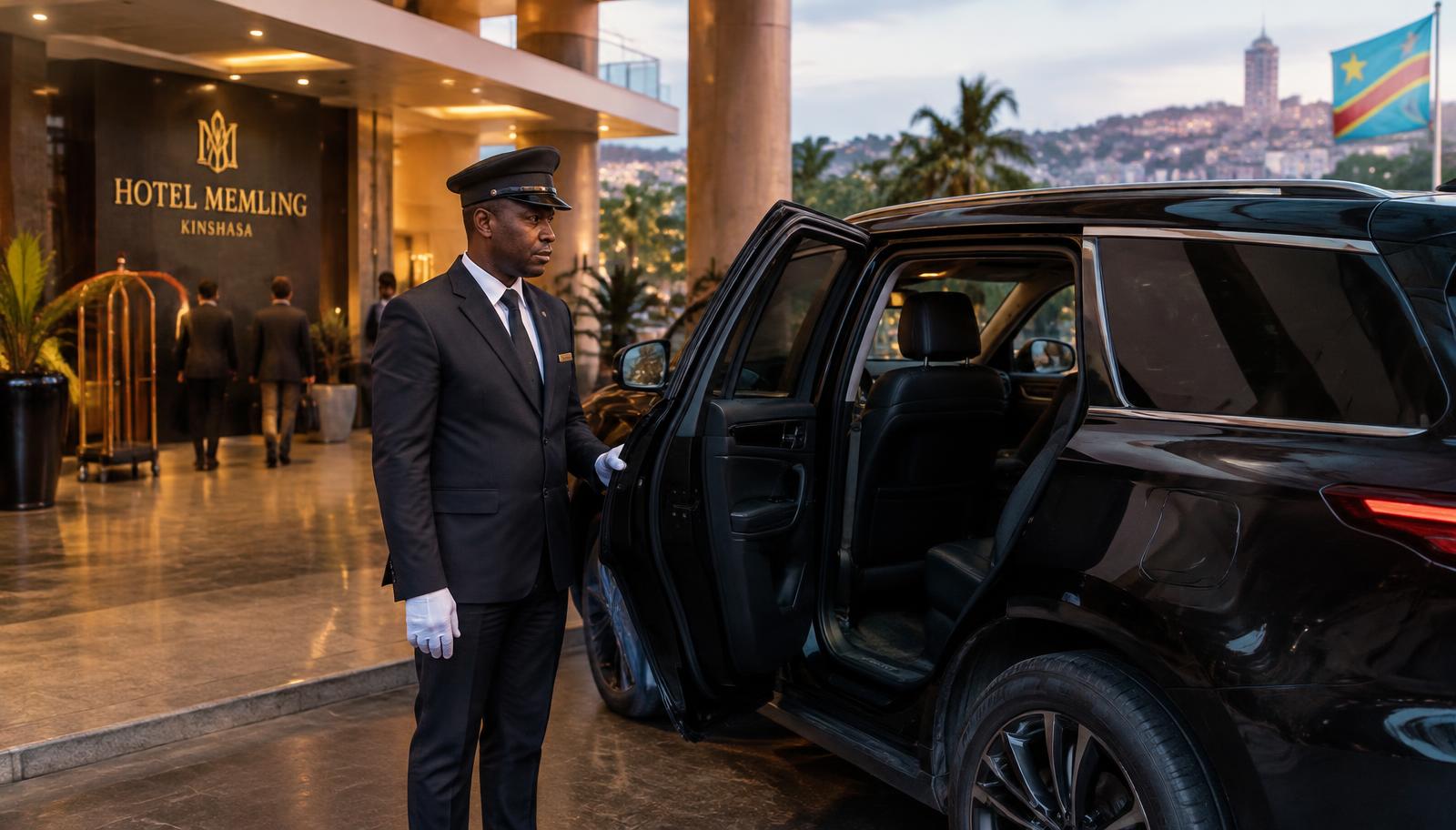
Move through the city with a plan
Kinshasa traffic can make journey times unpredictable. Allow generous time between meetings, confirm routes with a local host or driver, and build flexibility into the schedule.
Avoid walking alone, especially after dark. Keep jewellery, cash and phones discreet; do not leave valuables visible in a vehicle. Keep vehicle doors locked and windows closed while driving, and use well-lit, supervised arrival points. If asked to show documents at a checkpoint, remain in the vehicle and follow your driver’s instructions and the current advice from your embassy or consulate.
Avoid demonstrations, large political gatherings and any area where tensions are rising. If a gathering appears ahead, do not stop to watch or photograph it; ask your driver to change route and notify your host.
Keep your plans private and your contacts close
Share your itinerary with a trusted local contact, your accommodation and someone at home. Agree check-in times for longer movements and keep contact details for your hotel, travel provider, insurer and embassy or consulate in your phone and offline.
Limit public sharing of real-time location, hotel details and meeting schedules. Keep a small backup of key documents and your itinerary separate from your phone. Before departure, confirm that your insurance covers your itinerary and the assistance you may need, including medical care or evacuation if applicable.
Prepare for health requirements
Check routine vaccinations and destination-specific health advice with a qualified travel-health professional before departure. Carry a valid yellow-fever certificate and verify any additional vaccination or screening rules for your itinerary.
The Ebola outbreak response in the DRC remains active and evolving. WHO’s latest update reported sustained transmission in the DRC and cases across eight provinces based on information available through 3 November 2026. Follow current public-health instructions, comply with any screening at airports or checkpoints, practise careful hand hygiene, and avoid direct contact with anyone who is ill or with blood and other body fluids.
If you become unwell or believe you may have had a relevant exposure, contact a qualified medical provider or your assistance service promptly and explain your travel history before attending a facility. Do not rely on an old article for current case numbers or affected-area maps.
For background, read MLG’s Ebola Outbreak in the DRC: Government Response, Travel Impact and What Travellers Should Know, first published in May 2026. Because the outbreak has since evolved, also consult the latest WHO disease-outbreak update and your government’s health advice.
Think beyond Kinshasa for an investor mission
A visit that extends to other provinces needs separate planning for each city, transport leg, accommodation and local operating conditions. Flight availability, road conditions and security advice can differ considerably between locations.
For a wider operational perspective, see MLG’s DRC Investor Travel: Commanding Every City, from Kinshasa to Kolwezi. Treat proposed infrastructure and transport projects as forward-looking context; confirm current services and conditions for each journey.
If you are travelling onward to the United States, review current U.S. entry and airline requirements before booking. The CDC currently publishes specific travel measures for people who have recently been in the DRC, and these rules can change.
Plan your Kinshasa visit with Mansa
Mansa Legacy Group can coordinate journey planning, accommodation, airport transfers and ground mobility. Send your dates, arrival details, meeting locations and requested support through the MLG Request a Journey page. Visa decisions, security conditions and medical advice remain with the relevant authorities and qualified providers.