Last reviewed: 11 November 2026
The Democratic Republic of the Congo is a destination for business, investment, family visits and cultural travel. Before booking, confirm the entry procedure that applies to your passport and the purpose of your visit. Visa rules, processing times and health measures can change, and requirements may differ between consular posts.
This guide is a planning aid, not immigration or legal advice. The Direction Générale de Migration (DGM), the responsible DRC embassy or consulate, and border officials make the final decisions.
Do I need a visa to visit the DRC?
Visa requirements depend on your nationality, purpose of travel, length of stay and the route through which you apply. Do not assume that a visa exemption or visa on arrival applies to your passport.
Start with the official DGM eVisa portal and the DRC embassy or consulate responsible for your country of residence. The portal describes online visa applications for eligible travellers, but eligibility and the required entry procedure should be checked for each application.
For example, the current UK government entry guidance says UK visitors must have a visa. Travellers holding other passports should verify their own rules rather than relying on another nationality’s guidance.
Can I apply for a DRC eVisa?
The DGM operates an official eVisa portal. The available route depends on your nationality and travel purpose. Read the approval carefully: an electronic application or approval may have a particular entry procedure, validity period or point-of-entry condition. It should not be treated as a universal visa-on-arrival arrangement.
Use only the official DGM portal or the relevant DRC consular mission for the application route. Confirm the current fees, payment method, processing estimate and permitted entry point before paying or finalising non-refundable travel.
Which visa should I apply for?
Choose the visa category that matches what you will actually do in the DRC. Tourism, visiting family, business meetings, investment discussions, employment and long-term stays can involve different requirements.
If your visit includes meetings, site visits or investment discussions, describe those activities accurately when asking the DGM or a consular officer which category applies. A short-stay visitor visa should not be assumed to authorise employment or other paid work. For regulated, technical or long-term activities, seek confirmation from the competent authorities or qualified local counsel.
What documents should I prepare?
The exact checklist depends on the visa category and the mission handling the application. A file may ask for some or all of the following:
- A passport that remains valid for the period required by the relevant mission. Six months’ remaining validity is a common consular requirement; confirm the rule for your application.
- A completed application and recent passport photographs.
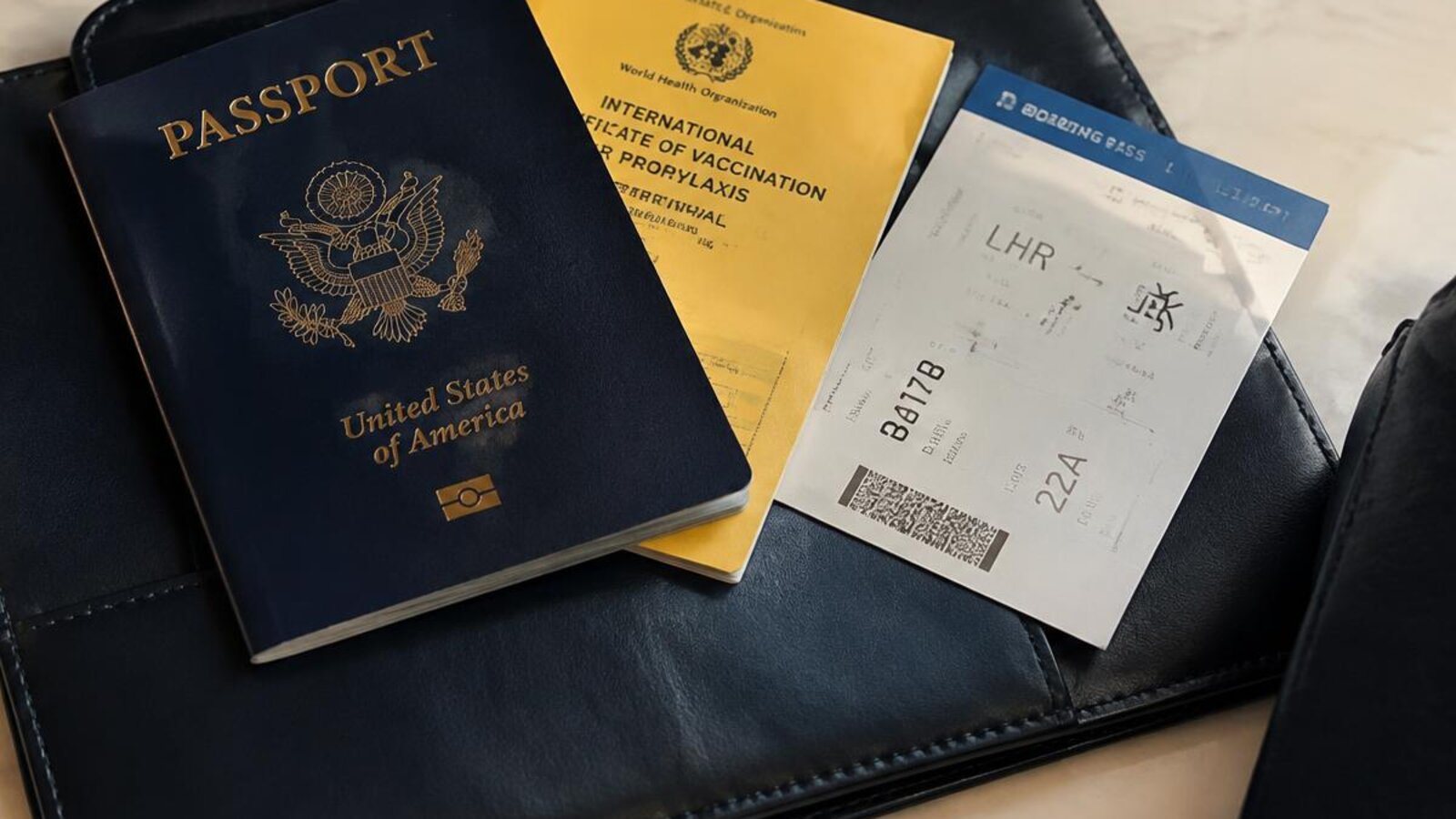
- A valid yellow-fever vaccination certificate. Check whether a polio certificate or another health document applies to your route.
- Evidence supporting the purpose of travel, such as an invitation or business letter where required.
- Accommodation details, an itinerary and return or onward travel information.
- Company, financial or other supporting records if requested for your visa category.
Treat this as a preparation list, not a universal or official checklist. Follow the current instructions from the DGM or the embassy or consulate that will decide your application. The UK entry page also notes the yellow-fever certificate requirement and that polio vaccination rules may apply in some circumstances.
How long does processing take, and what does it cost?
Processing times and charges vary by application route, visa type and consular post. Apply well in advance and use the current estimate published by the authority handling your file. The DGM portal may display an assessment target, but no processing estimate guarantees approval or arrival by a particular date. Some embassy routes take several weeks.
Confirm the total amount and payment instructions directly with the DGM portal or responsible mission before paying. Keep the official receipt and your application reference.
What should I carry when I arrive?
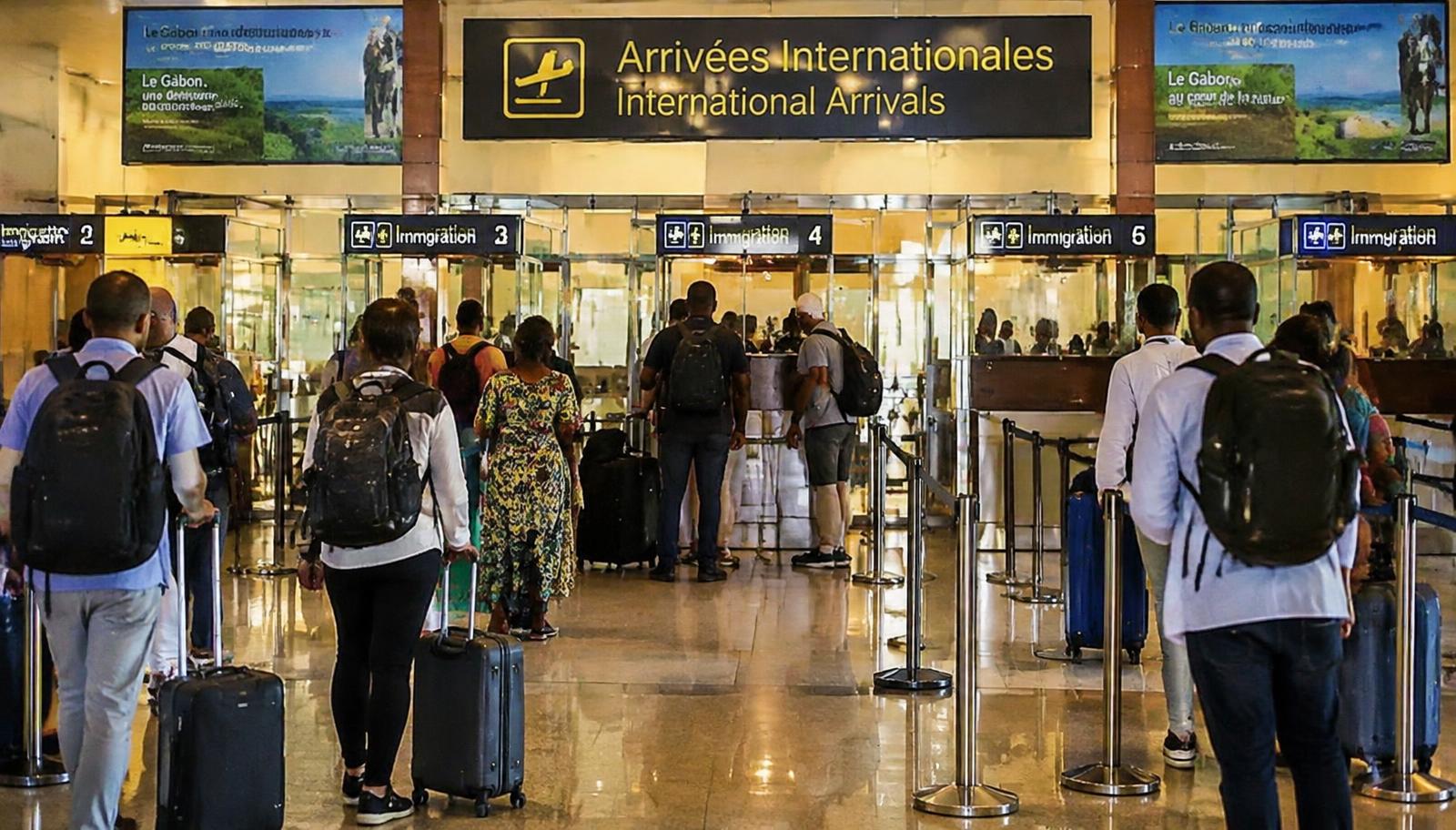
Keep your passport, visa or DGM approval, yellow-fever certificate and essential supporting documents accessible. Carry offline copies of your itinerary, accommodation details, invitation and return or onward travel information where relevant.
Health screening may be in place at airports or other points of entry. Follow instructions from public-health and immigration officials, allow additional time, and check requirements for any country through which you will transit or continue your journey.
Can Mansa Legacy Group arrange my visa?
Mansa Legacy Group can help coordinate travel planning and visa-facilitation steps as part of a wider journey. MLG does not issue visas, control immigration decisions or guarantee approval. The applicant remains responsible for providing accurate information and complying with the conditions of the visa issued.
Plan your journey with Mansa
Share your nationality, travel dates, purpose of visit, cities to be visited and the support you need through the MLG Request a Journey page. A travel manager can help coordinate the travel arrangements and clarify what information may be needed for the next step.
Related reading: DRC Investor Travel: Commanding Every City, from Kinshasa to Kolwezi